
About
-
A lot of places get passed by without anyone really noticing them. Not because they’re not important—just because no one stops.
This started with a simple habit: slowing down and taking a second look.
A lot of that comes from familiarity—growing up around these landscapes, revisiting the same roads, and seeing how quickly things can change or disappear over time.
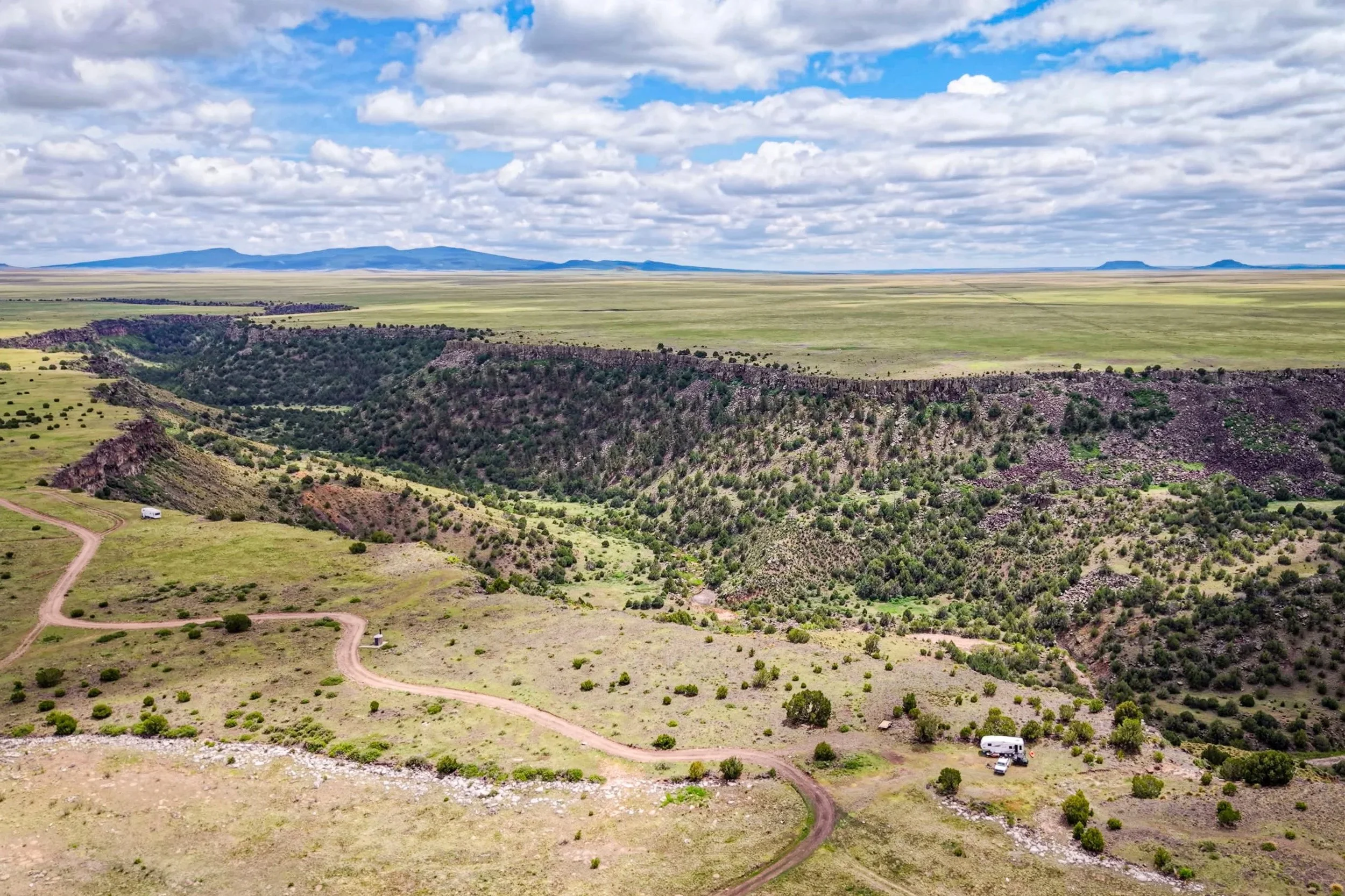
The drone became a way to document those places more completely. Not to change them, and not to stage anything—just to capture what’s actually there.
Falcon Mesa Drone Solutions is built around that idea: documenting what’s here while it’s still here.
If something feels worth remembering, it’s worth documenting.
-
I’m Cassandra Vigil, an FAA Part 107 certified remote pilot based in New Mexico. My work focuses on documenting places, moments, and stories that often go unnoticed, with an approach built on patience, intention, and respect for what’s there.
I grew up in rural New Mexico and have spent time living in Santa Fe and Albuquerque. A lot of the places I film are areas I’ve known for years—places I’ve driven through, spent time in, and come back to over time.
What started as a habit of slowing down and taking a second look has grown into a more deliberate effort. The drone didn’t introduce me to new places as much as it changed how I see the ones I already cared about—offering a different perspective on what’s been there all along.
That’s what this work is built on—capturing what exists just beyond the beaten path, and sharing that perspective with others while those places still look the way I remember them.
-
Every flight is planned and intentional.
As a certified FAA Part 107 Remote Pilot, I operate within all federal regulations and established safety standards. That includes maintaining visual line-of-sight, respecting airspace restrictions, and prioritizing the safety of people, property, and aircraft at all times.
Beyond compliance, the approach is simple: be respectful and don’t disrupt what’s already there.
That means avoiding unnecessary flight over people or private property, staying mindful of wildlife and surroundings, and making decisions that prioritize discretion and minimal impact.
If a shot requires cutting corners or creating risk, it’s not worth getting.
Aerial imagery should do more than capture what something looks like—it should document what’s there in a way that can be preserved, shared, and understood over time.